Valoramos su privacidad.

Utilizamos cookies para analizar el rendimiento del sitio y mejorar su experiencia. Puede aceptar o rechazar las cookies. Para obtener más información, consulte nuestra Política de cookies.

VII Call for Startups

Challenges in ticketing, geolocation for improved connectivity, Quantum computing, HR optimisation and collaborative navigation
Challenges

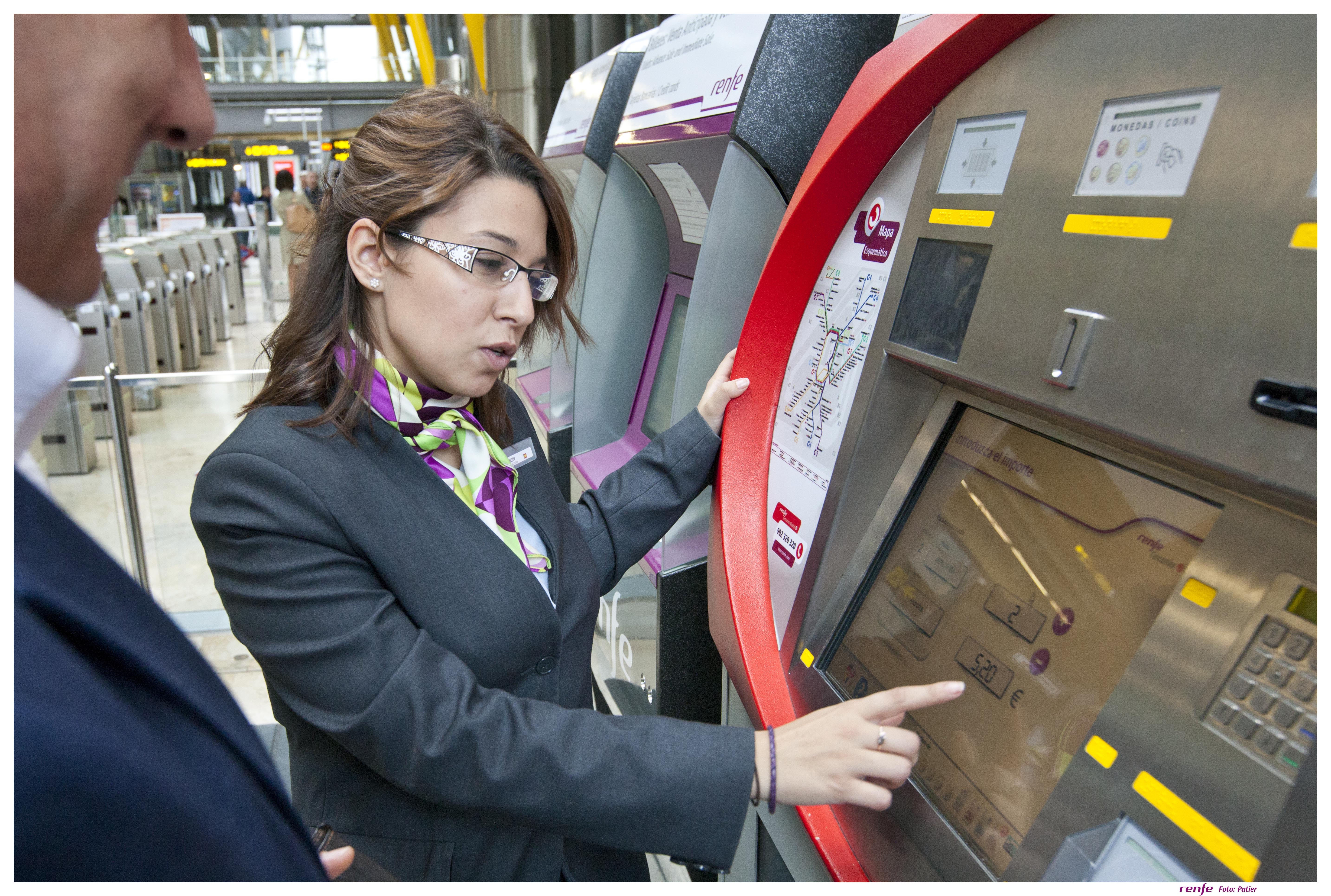
Digital Ticketing for Seamless Access Challenge

We are looking for digital ticketing solutions that eliminate physical barriers in stations to improve the passenger flow and contribute to a more agile, inclusive, and sustainable transportation system.

Illustrative examples of potential solutions:
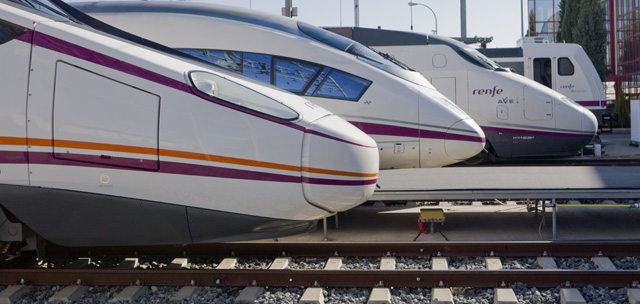
  1. Account-Based Ticketing (ABT): systems based on digital accounts that automatically calculate and apply the optimal fare, integrated with contactless bank cards or smartphones.
  2. Geofencing and geolocation: automatic ticket validation based on the user's location, providing real-time information and access control.
  3. Be-In/Be-Out (BiBo): automatic detection of passenger entry and exit without interaction, using technologies such as BLE beacons, RFID, or even ultrasound.
  4. Integration with MaaS and open payments: compatibility with other modes of transport and common payment methods, enabling a more connected and flexible mobility ecosystem.

Next-Gen Geolocation Systems for Low-Connectivity Environments Challenge

We are seeking innovative solutions that enable ongoing and accurate geolocation of trains, staff and critical assets, even under conditions of limited or no connectivity. These solutions must combine different information sources (inertial, satellite, network, or sensor data) to ensure system resilience and improve responsiveness to connectivity disturbances.

Illustrative examples of potential solutions:

  1. Multisensor fusion: combining GNSS, inertial, visual, and odometry data to maintain position in the absence of a GPS signal.
  2. Collaborative positioning systems: data exchange between trains or with infrastructure to maintain a collective position estimate.
  3. Intelligent digital maps: using precision mapping and machine learning to correct cumulative errors and predict trajectories in real time.
  4. Alternative PNT (Position, Navigation, and Timing) technologies: integrating terrestrial or quantum reference signals for positioning in enclosed or underground environments.

Quantum-Driven Data Management Challenge

We seek to explore and implement quantum or hybrid (quantum-classical) compression algorithms to optimise railway data transmission and storage. The goal is to reduce network and energy resource usage, enabling faster and more efficient processing of critical information, both operational and passenger-related.

Illustrative examples of potential solutions:
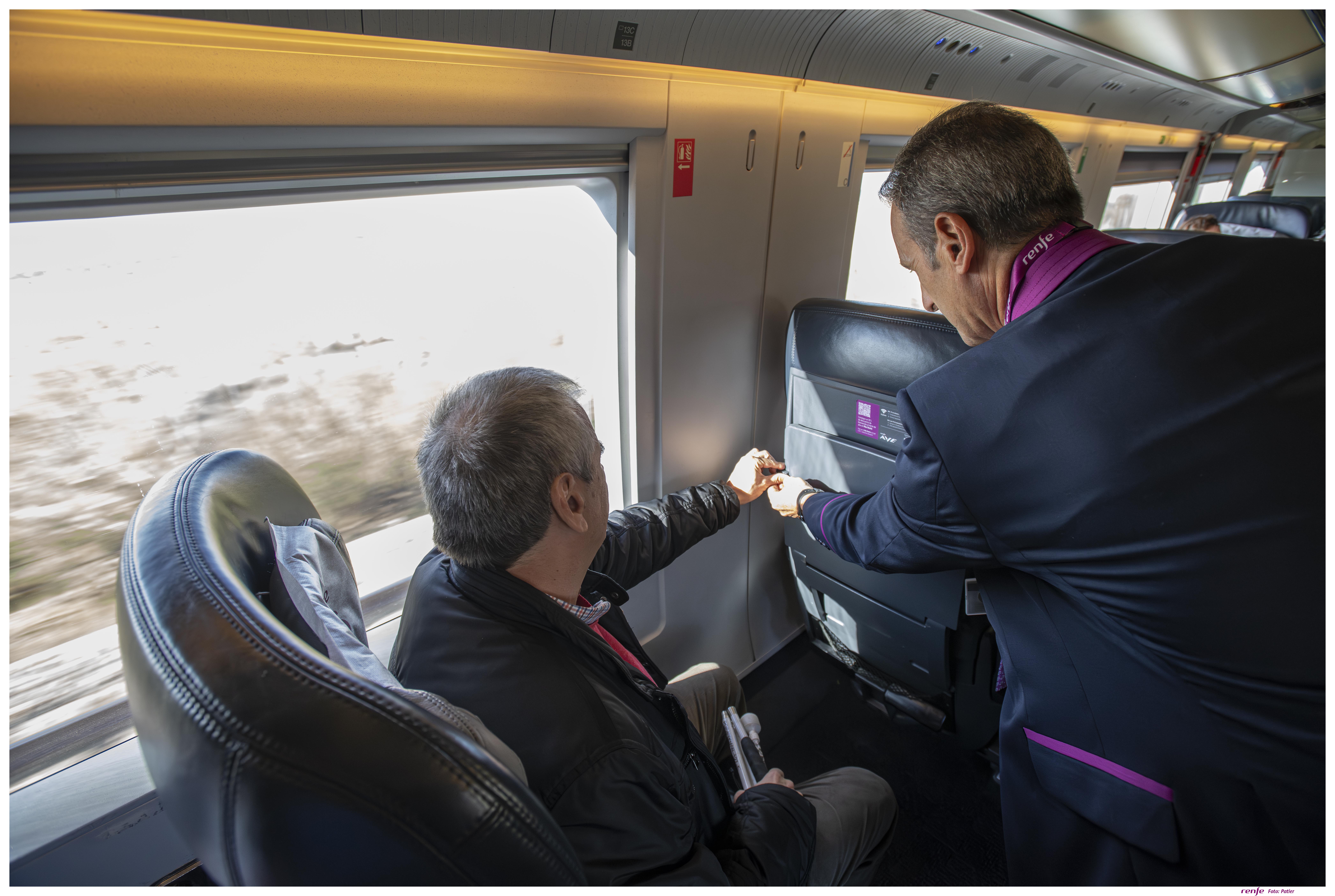
  1. Simulated quantum compression algorithms: Implementation of techniques inspired by quantum mechanics that substantially reduce data size while maintaining operational fidelity.
  2. Hybrid encoding for onboard streaming: Application of partial quantum compression for the transmission of real-time video or sensor data from moving trains.
  3. Distributed quantum processing: Use of quantum or simulated computing nodes in the cloud to compress and analyse large volumes of railway data.
  4. Energy optimisation: Leveraging the reduced computational requirements resulting from quantum compression to decrease energy consumption in onboard equipment.

Smart Workforce Scheduling Challenge

We are looking for algorithmic planning and optimisation solutions that enable the complete automation of staff scheduling and work shifts for operational teams (e.g., drivers and intervention teams). The solution must be able to automatically generate staff schedules, ensuring compliance with all current labour regulations while also integrating specific conditions.

Illustrative examples of potential solutions:

  1. Platforms that automatically design work schedules in seconds, eliminating the need for manual work.
  2. Intelligent systems that use the experience of previous shifts to always propose the most efficient solutions.
  3. Tools that allow managers to test different scenarios (such as a new agreement or a schedule change) and immediately see how they affect all shifts before implementation.
  4. Mechanisms that automatically adjust shifts when there is a last-minute change, such as an operational delay or the need for coverage due to absence, always seeking the optimal alternative.

Collaborative Platform for Real-Time Passenger Information Challenge

We are seeking innovative technological solutions to develop a bidirectional navigation and alert platform. This platform must integrate an end-to-end route experience with a collaborative information system that leverages user contributions to generate real-time data on the network status and the condition of service units. The goal is to provide a predictive and proactive tool that optimises customer decision-making and the company's operational response.

Illustrative examples of potential solutions:

  1. Systems that offer navigation with instant updates on the service unit's location and a visual representation on the map.
  2. Algorithms that automatically calculate and recommend alternative routes based on real-time network status (delays, closures, or congestion).
  3. Easy and intuitive reporting mechanisms so users can report incidents in the infrastructure (delays, unexpected stops) or inside service units (e.g., lack of air conditioning, high occupancy, cleaning issues, or noise).
  4. Network status alerts that are automatically triggered upon detecting unannounced outages or delays, combining operator data with validated community reports.
  5. Platforms that foster an active user community and incentivise continuous improvement of information through gamification systems, reputation, or points based on the accuracy of their reports.

Do you have any questions?

Other Calls